?Italian (Feldspathic) amphorae 2 (ITA AM 2)
Three samples
This type is included here as an example of one of the many fabrics imported into Britain represented in
the Peacock & Williams Class 10 (Dressel 2–4) amphora with bifid handles.
General appearance
A very hard fabric, it is normally pale red (2.5YR 6/6) or brown (5YR 5/3) with lighter core (2.5YR
6/4). Although not represented amongst our samples, the external surface is frequently slipped cream (10YR
9/2). The fracture is irregular and large protruding inclusions result in rough surfaces.
Hand specimen
The fabric is diverse in the hand specimen but is united by ill-sorted inclusions up to
c 2.5mm, comprising common angular feldspar (0.1–0.3mm with some grains to 2.0mm), light-coloured
(grey or pink) igneous rocks (normally
c 0.5mm) and sparse accessory minerals (<0.5mm). The clay matrix is calcareous, with varying
quantities of limestone (0.3–0.5mm) and silt-grade material set in a sparsely micaceous (gold and silver)
clay.
Thin section
This sample has an isotropic calcareous clay with ill-sorted angular to subangular fine to coarse-grade
sand, consisting of elongate sanidine feldspar grains, quartz, microcrystalline calcite, volcanic rock
fragments, greenish clinopyroxene and rare biotite.
Source
On the basis of petrology, the fabric may originate in southern Italy (Davies et al 1994, 21,
‘KOAN-3786’).
Donor
Museum of London
Museums
None
References
Davies, B J, Richardson, B, & Tomber, R S, 1994 The archaeology of Roman London 5. A dated corpus of early Roman pottery from the City of London, CBA Res Rep 98
See the related record on the Atlas of Roman Pottery on the Potsherd website
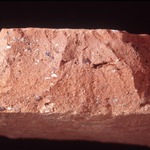
Plate 73: Fresh sherd break of ITA AM 2 (width of field 24 mm)
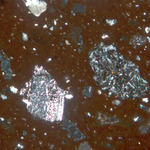
Plate 73.1: Photomicrograph of ITA AM 2 (XPL) (width of field 1.74 mm)
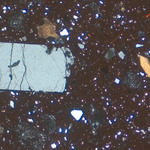
Plate 73.2: Photomicrograph of ITA AM 2 (XPL) (width of field 3.5 mm)
<< Italian amphorae 1
::
Liparian amphorae >>
 SGRP home page